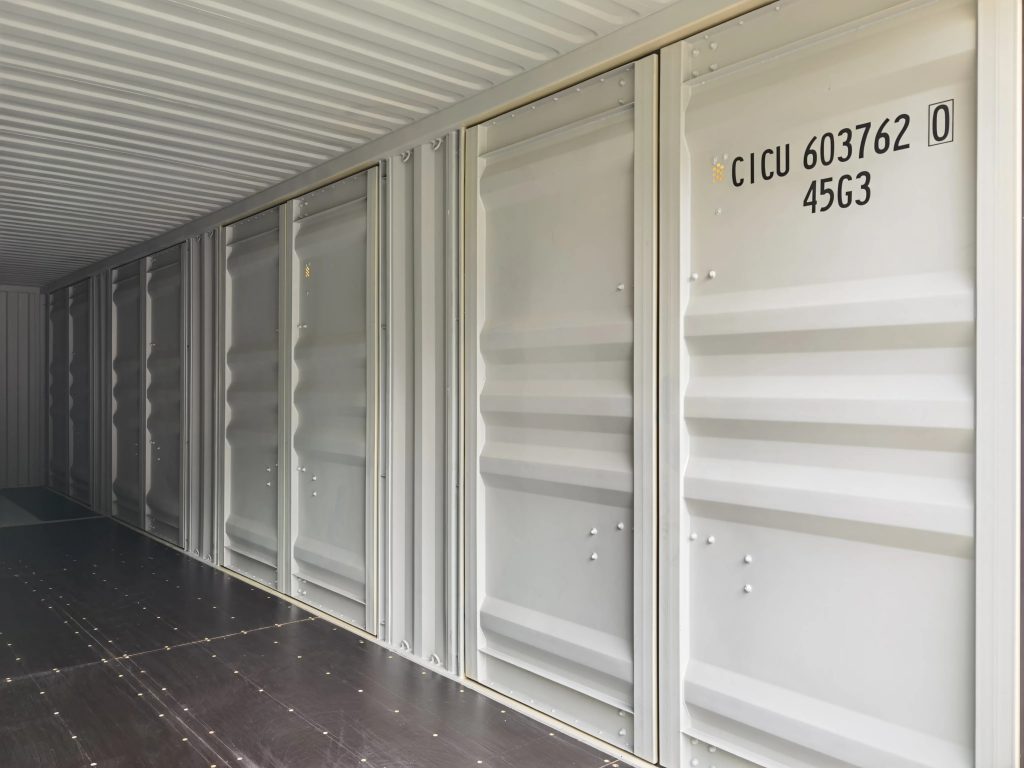
45 Shipping Container's History History Of 45 Shipping Container


The Versatility of Shipping Containers: A Comprehensive Guide
Shipping containers have actually transformed the method goods are transferred throughout the world. These robust, rectangular structures, often seen stacked in port backyards or on cargo ships, are not simply restricted to their primary function of shipping. Over 45 Feet Containers , they have actually gotten immense popularity in various industries beyond logistics, including everything from housing to pop-up shops. With this blog site post, we will explore the fascinating world of shipping containers, highlighting their different applications, advantages, and considerations, total with tables and an FAQ section to provide a comprehensive summary.
Tabulation
- Intro to Shipping Containers
- The Evolution of Shipping Containers
- Common Uses for Shipping Containers
- 3.1 Residential Housing
- 3.2 Retail Spaces
- 3.3 Agriculture
- 3.4 Emergency Shelter
- Advantages of Using Shipping Containers
- Factors to consider Before Repurposing a Shipping Container
- Conclusion
- FREQUENTLY ASKED QUESTION
1. Introduction to Shipping Containers
Originally developed for transferring products effectively and securely, shipping containers have gotten traction as multifunctional systems. Their standardized dimensions permit easy stacking and transportation, making them ideal for repurposing in numerous industries.
2. The Evolution of Shipping Containers
Shipping containers have actually come a long method considering that their beginning in the 1950s. Originated by Malcolm McLean, the usage of standard containers has transformed global trade and logistics. Here's a brief timeline of their advancement:
| Year | Event |
|---|---|
| 1956 | Malcolm McLean presents the basic shipping container. |
| 1961 | The United States adopts the ISO (International Organization for Standardization) container standards. |
| 1970s | The advent of containerization causes a boost in global trade performance. |
| 2000s | Growing interest in repurposing containers for alternative uses begins. |
3. Typical Uses for Shipping Containers
The innovative potential of shipping containers causes ingenious applications across different sectors. Below are some common usages:
3.1 Residential Housing
Shipping containers can be easily transformed into homes, using a sustainable and economical living service. Container homes are acquiring appeal for their minimalist method and environmental advantages.
3.2 Retail Spaces
Container shops offer distinct retail environments, frequently found in metropolitan centers or markets. These modular structures can be personalized to fit branding, and their mobility allows for versatile organization designs.
3.3 Agriculture
Shipping containers are significantly used in farming, particularly in farming practices such as hydroponics and aquaponics. Container farms can be put in city areas, bringing fresh produce closer to customers.
3.4 Emergency Shelter
In disaster-stricken locations, shipping containers can be transformed into short-term shelter services. Their toughness and portability make them ideal for fast implementation in crisis situations.
4. Advantages of Using Shipping Containers
The appeal of shipping containers lies in their large range of benefits:
| Advantage | Description |
|---|---|
| Toughness | Designed to endure severe conditions during ocean transportation. |
| Cost-Effective | Normally more affordable than conventional construction techniques. |
| Sustainability | Supplies a recycling opportunity for used containers, reducing ecological effect. |
| Movement | Quickly transportable; can be relocated as needed. |
| Customizable | Adaptable to different styles, sizes, and uses. |
List of Benefits
- Speed of Construction - Quick setup permits immediate use.
- Low Maintenance - Durable products result in lower ongoing costs.
- Flexible Designs - Ability to produce multi-story structures or complex designs.
- Protect Storage - Provides a safe environment for goods or living.
5. Factors to consider Before Repurposing a Shipping Container
While shipping containers use many benefits, there are several elements to consider before utilizing them for brand-new jobs:
| Consideration | Description |
|---|---|
| Building Codes | Guarantee compliance with regional policies and zoning laws. |
| Insulation | Containers can end up being hot or cold; proper insulation is necessary. |
| Ventilation | Sufficient airflow is needed to avoid wetness accumulation. |
| Structure Requirements | A steady foundation is required in particular applications. |
| rust and rust | Select containers that are in great condition to avoid structural problems. |
List of Considerations
- Budget Constraints - Factoring in renovation costs is critical.
- Design Aesthetics - Consider the visual impact of a shipping container structure.
- Place - Assess the site conditions and availability for deliveries and transport.
6. Conclusion
Shipping containers have transcended their initial purpose, evolving into multifunctional structures appropriate in numerous sectors. From innovative real estate options to pop-up retail spaces, they represent a sustainable and flexible approach to numerous neighborhood needs. Nevertheless, careful preparation and factor to consider are vital to account for obstacles connected to developing codes, insulation, and total design.
7. FREQUENTLY ASKED QUESTION
Q1: Are shipping containers safe for property use?A1: Yes
, with correct adjustment and adherence to regional structure codes, they can be become safe living areas.
Q2: How much does it cost to convert a shipping container into a home?A2: Costs can vary extensively based on size, design, and area, usually ranging from ₤ 10,000 to ₤ 50,000 or more.
Q3: Do shipping containers need a foundation?A3: While not always essential, an appropriate structure can improve the stability and longevity of a container structure. Q4: Can shipping containers be
used for permanent structures?A4: Yes, they can be used for long-term solutions, supplied they satisfy local regulations and security requirements. Q5: How long do shipping containers last?A5: With correct care and maintenance, shipping containers can last for numerous years, especially when used in non-maritime applications. In summary, the change and repurposing of shipping containers showcase their versatility
in modern applications. With thoughtful planning and ingenious design, these containers will continue to play a vital role in architecture, commerce, and sustainability for years to come.